
Cleaning tips for restaurants in New Jersey are essential for keeping your kitchen safe and inviting. Understanding the importance of a clean kitchen and how it affects your business is crucial. This article guides you through the benefits of regular deep cleaning, maintaining kitchen sanitation, and creating a comprehensive cleaning checklist. By following these tips, you can ensure your restaurant meets state sanitation standards and provides a safe dining experience for your customers.
Key Insights
- Keep surfaces clean and sanitized.
- Use the right cleaning supplies for each area.
- Train staff on cleaning procedures.
- Create a regular cleaning schedule.
- Check for pests and maintain prevention measures.
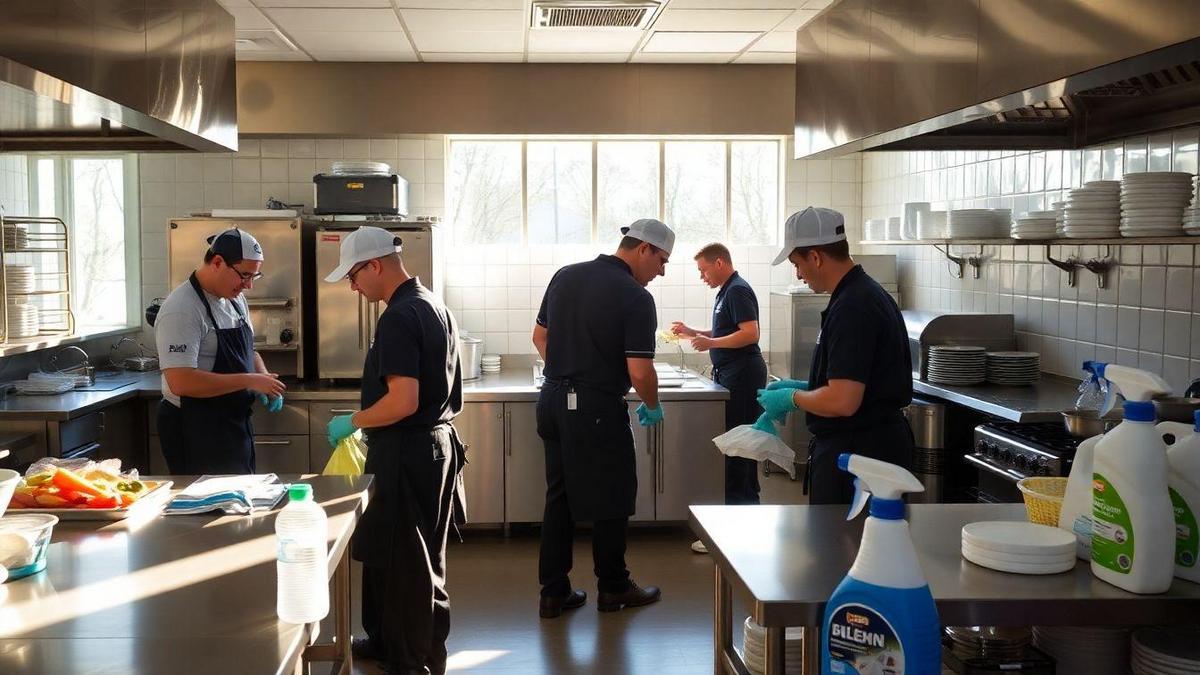
Essential Cleaning Tips for Restaurants in New Jersey
Importance of a Clean Kitchen
A clean kitchen is the backbone of any successful restaurant. It not only meets health and safety standards but also creates an inviting atmosphere for your customers. When your kitchen sparkles, it reflects your commitment to quality. Customers notice cleanliness, which can make or break their dining experience. For insights on maintaining cleanliness, consider exploring restaurant cleaning services in New Jersey.
Benefits of Regular Deep Cleaning
Regular deep cleaning is crucial for maintaining a safe and healthy environment. Here are some benefits:
| Benefit | Description |
|---|---|
| Health Safety | Reduces the risk of foodborne illnesses. |
| Customer Satisfaction | A clean space enhances the dining experience. |
| Longer Equipment Lifespan | Prevents buildup that can damage appliances. |
| Positive Reputation | Encourages repeat business and referrals. |
How to Maintain Kitchen Sanitation
To maintain kitchen sanitation, consider these essential practices:
- Daily Cleaning Routines: Wipe down surfaces, sweep floors, and wash dishes after each shift.
- Regular Inspections: Check for any signs of pests or mold. Address issues immediately.
- Proper Food Storage: Store food at the right temperatures and label everything.
- Employee Training: Teach staff about hygiene practices and the importance of cleanliness.
By implementing these cleaning tips for restaurants in New Jersey, you can keep your kitchen in top shape and ensure a safe dining experience for all.
Creating a Restaurant Cleaning Checklist
Key Areas to Include in Your Checklist
When running a restaurant, cleanliness is key. A clean environment keeps customers happy and helps maintain health standards. Here are some important areas to focus on in your checklist:
- Kitchen: Wipe down surfaces, clean appliances, and sanitize utensils.
- Dining Area: Dust tables, clean chairs, and vacuum floors.
- Restrooms: Disinfect toilets, sinks, and mirrors regularly.
- Storage Areas: Organize supplies and keep shelves dust-free.
- Outdoor Spaces: Sweep patios and maintain landscaping.
Frequency of Cleaning Tasks
Knowing how often to clean each area is crucial. Here’s a simple guide to help you keep track:
| Area | Daily | Weekly | Monthly |
|---|---|---|---|
| Kitchen | Yes | ||
| Dining Area | Yes | Yes | |
| Restrooms | Yes | ||
| Storage Areas | Yes | ||
| Outdoor Spaces | Yes | Yes |
Customizing Your Checklist for NJ Restaurants
Every restaurant is different, especially in New Jersey. Your checklist should reflect the unique needs of your establishment. Consider these factors:
- Menu Type: If you serve fried foods, you may need to clean grease traps more often.
- Customer Volume: High-traffic times require more frequent cleaning.
- Seasonal Changes: Adjust your cleaning routine during busy seasons or holidays.
By tailoring your checklist, you can keep your restaurant shining and welcoming.
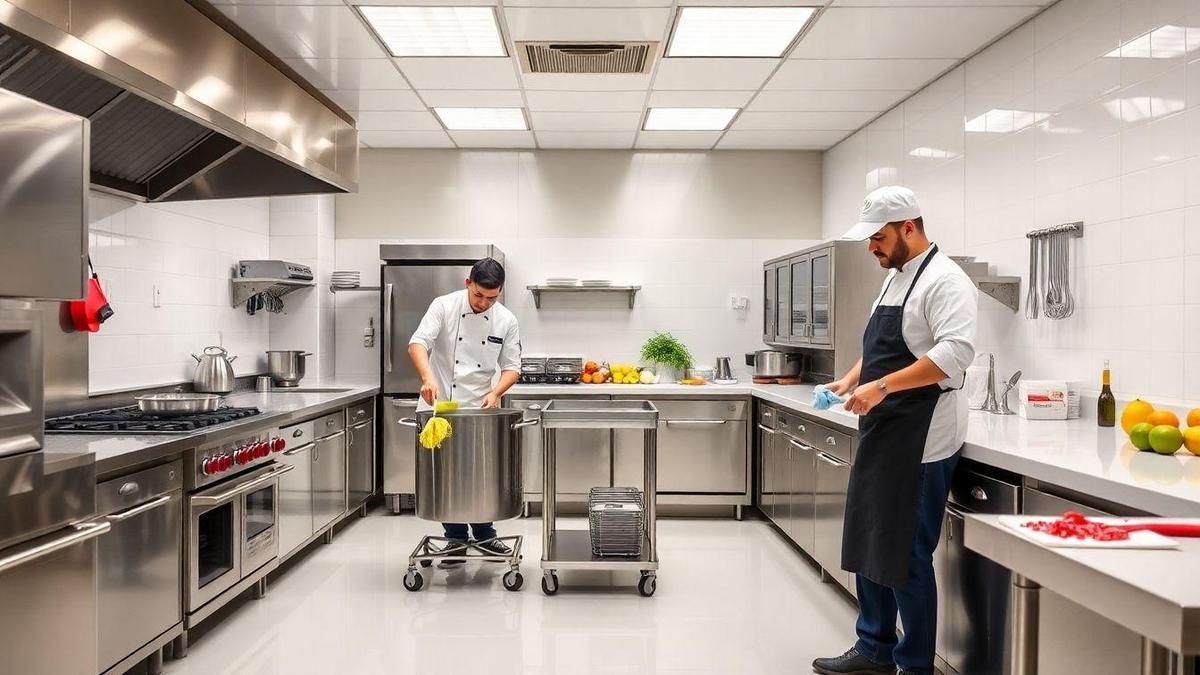
Best Practices for Commercial Kitchen Cleaning
Effective Cleaning Products for Restaurants
Choosing the right cleaning products is essential for keeping your restaurant spotless. Here are some effective cleaning agents:
| Product Type | Purpose |
|---|---|
| Degreasers | Remove tough grease from surfaces |
| Sanitizers | Kill bacteria on food contact surfaces |
| All-Purpose Cleaners | General cleaning of various surfaces |
| Glass Cleaners | Keep windows and glass surfaces clear |
| Floor Cleaners | Maintain cleanliness of kitchen floors |
Using these products helps maintain a clean and safe environment for your staff and customers alike. Always read the labels to understand how to use them correctly.
Techniques for Cleaning Kitchen Equipment
Cleaning kitchen equipment is crucial for food safety. Here are some techniques to keep your equipment in top shape:
- Daily Cleaning: Wipe down surfaces, tools, and equipment after each use.
- Deep Cleaning: Schedule a thorough cleaning weekly, including disassembling equipment like mixers and fryers for a detailed scrub.
- Use Hot Water: Hot water helps break down grease and food particles more effectively than cold water.
- Brush and Scrub: Use brushes for hard-to-reach areas; a good scrub makes a difference.
Taking these steps helps avoid potential hazards and keeps your kitchen running smoothly.
Safety Tips When Using Cleaning Chemicals
Safety should always come first when using cleaning chemicals. Here are some important tips to follow:
- Read Labels: Always read the labels for safety instructions.
- Wear Gloves: Protect your skin from harsh chemicals.
- Use in Ventilated Areas: Ensure good airflow to avoid inhaling fumes.
- Store Properly: Keep chemicals out of reach of children and food.
By following these safety tips, you can create a safer cleaning environment for everyone involved.
Understanding New Jersey Restaurant Sanitation Regulations
Overview of State Sanitation Standards
In New Jersey, restaurant sanitation standards are strict and designed to protect public health. These rules cover everything from food safety to cleanliness. Here are some key points you should know:
- Food Handling: All employees must wash their hands regularly and wear gloves when handling food.
- Clean Surfaces: All kitchen surfaces must be cleaned and sanitized frequently to avoid contamination.
- Waste Management: Trash must be disposed of properly and regularly to prevent pests.
Understanding these standards is crucial for running a successful restaurant. They help maintain your reputation and keep your customers safe.
Consequences of Non-Compliance
Failing to follow these sanitation regulations can lead to serious consequences, including:
| Consequence | Description |
|---|---|
| Fines | You could face hefty fines for violations. |
| Closure | Your restaurant may be shut down temporarily. |
| Legal Action | In severe cases, legal action may be taken. |
Staying compliant protects your business and your customers. It’s a win-win situation.
Resources for NJ Restaurant Owners
As a restaurant owner in New Jersey, you have access to various resources to help you stay compliant:
- New Jersey Department of Health: They provide guidelines and updates on sanitation standards.
- Local Health Departments: Your local health department can offer personalized advice and inspections.
- Training Programs: Consider enrolling your staff in food safety training programs to keep everyone informed.
Utilizing these resources helps you navigate the complexities of restaurant sanitation with ease.
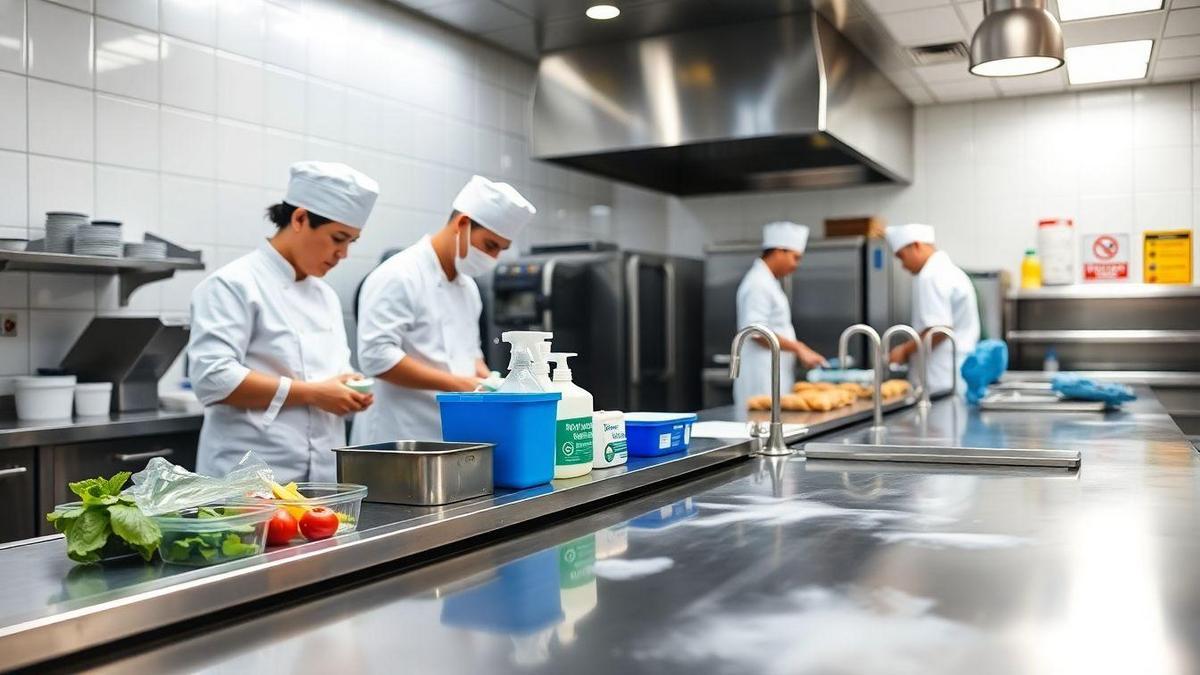
Food Safety Cleaning Practices for Restaurants
Importance of Cross-Contamination Prevention
Cross-contamination is a serious issue in restaurants. It occurs when harmful bacteria from one food item spreads to another, potentially leading to foodborne illnesses. To keep your restaurant safe, you must prevent cross-contamination. Here are some key points to remember:
- Use separate cutting boards for raw meats and vegetables.
- Store food properly in labeled containers.
- Clean surfaces between tasks to avoid mixing foods.
By following these steps, you can protect your customers and maintain your restaurant’s reputation.
Daily Cleaning Routines for Food Safety
A solid daily cleaning routine is essential for food safety. Here’s a simple plan you can follow:
| Time of Day | Task |
|---|---|
| Morning | Sanitize kitchen surfaces before opening. |
| During Shift | Wipe down tables and chairs after each customer. |
| After Hours | Deep clean kitchen equipment and floors. |
These tasks help keep your restaurant clean and safe. A clean environment protects your customers and boosts employee morale.
Training Staff on Hygiene Guidelines
Training your staff on hygiene guidelines is crucial. Make sure they understand the importance of cleanliness. Here are some tips for effective training:
- Conduct regular workshops on food safety.
- Use visual aids like posters to remind staff of hygiene practices.
- Encourage questions and discussions about cleanliness.
When your staff is well-trained, they will feel confident in their roles. This confidence translates into better service and a safer dining experience for your patrons.
Hiring NJ Cleaning Services for Restaurants
Benefits of Professional Cleaning Services
When you own a restaurant, cleanliness is key. Hiring professional cleaning services offers several benefits. First, they bring expertise. These teams know the best ways to clean kitchens, dining areas, and restrooms. They use the right tools and cleaning products to get the job done right. For more on choosing the right cleaning service, refer to how to choose a reliable commercial cleaning service in NJ.
Another benefit is time-saving. As a restaurant owner, your time is valuable. You can focus on running your business while the cleaning crew handles the mess. This can also lead to a better experience for your customers. A clean restaurant means happy diners, which can lead to more repeat business.
What to Look for in a Cleaning Service
When searching for a cleaning service, keep these factors in mind:
- Experience: Look for companies that have worked with restaurants before.
- Reputation: Check online reviews and ask for references.
- Services Offered: Ensure they provide deep cleaning and regular maintenance.
- Flexibility: They should be able to work around your schedule, especially during off-hours.
Here’s a quick table to summarize what to look for:
| Feature | Importance |
|---|---|
| Experience | Ensures quality cleaning |
| Reputation | Builds trust with customers |
| Services Offered | Covers all your cleaning needs |
| Flexibility | Fits your busy schedule |
Cost Considerations for Restaurant Cleaning
Cost is always a factor. Professional cleaning services can vary in price. Here are some considerations:
- Frequency of Cleaning: Regular cleaning may cost less than deep cleaning every time.
- Size of the Restaurant: Larger spaces will require more time and effort.
- Special Requests: If you need special services, this may increase the cost.
In general, it’s best to get quotes from a few companies. This way, you can find a service that fits your budget while still providing quality.
Conclusion
In conclusion, maintaining a clean kitchen is not just a matter of aesthetics; it is a fundamental pillar of your restaurant’s success. By implementing the cleaning tips outlined in this article, you not only comply with state sanitation standards but also enhance your customers’ dining experience. Remember, a sparkling kitchen reflects your commitment to quality and safety. From creating a detailed cleaning checklist to training your staff on hygiene practices, every little effort counts.
As you navigate the bustling world of restaurant management, keep in mind that a clean environment fosters trust and loyalty among your patrons. So, roll up your sleeves and get to work—your restaurant deserves it! For further insights and tips, feel free to explore more articles at Better Maids NJ.
Frequently Asked Questions
What are some basic cleaning tips for restaurants in New Jersey?
Start by making a cleaning checklist. Focus on high-traffic areas. Use safe, non-toxic cleaners. Clean kitchen surfaces daily and organize storage areas. Regularly sanitize utensils and dishes.
How often should restaurants deep clean?
Deep cleaning should happen monthly. This includes floors, walls, and equipment. Set reminders for yourself. Keep it consistent to ensure a safe kitchen.
What safety tips should you follow while cleaning?
Always wear gloves and masks. Don’t mix cleaners; it can be dangerous. Label all cleaning products. Ensure proper ventilation when cleaning. Keep a first aid kit nearby.